Indiana Ingenuity: 10 Inventors Connected to the Hoosier State
Inductee StoriesDate November 20, 2026
Est. Reading Time 7 mins
Innovation thrives in every state across the country. Indiana might be known for basketball, auto racing, agriculture or manufacturing, but ingenuity should also come to mind when you think of our nation’s 19th state. World-changing inventors who have lived, studied and worked in the Hoosier State represent a wide array of fields and accomplishments.
Read on to get to know 10 National Inventors Hall of Fame® Inductees with connections to Indiana.
David Wayne Cushman, Co-Inventor of Captopril

Inductee David Cushman was born in Indianapolis in 1939. A 1961 graduate of Wabash College in Crawfordsville, Indiana, he later earned his doctorate from the University of Illinois in 1966 and joined the Squibb Institute for Medical Research. There, he and fellow National Inventors Hall of Fame Inductee Miguel Ondetti synthesized captopril, an oral drug that significantly reduces hypertension (high blood pressure) in more than 80% of users and has no side effects on the central or autonomic nervous systems. Captopril was the first in a lifesaving class of drugs known as angiotensin converting enzyme, or ACE, inhibitors.
Originally approved by the Food and Drug Administration in 1981 for the treatment of hypertension, ACE inhibitors since have proven effective in treating patients with congestive heart failure, diabetes mellitus, chronic renal insufficiency and atherosclerotic cardiovascular disease.
Richard DiMarchi, Inventor of Insulin LisPro (Humalog®)
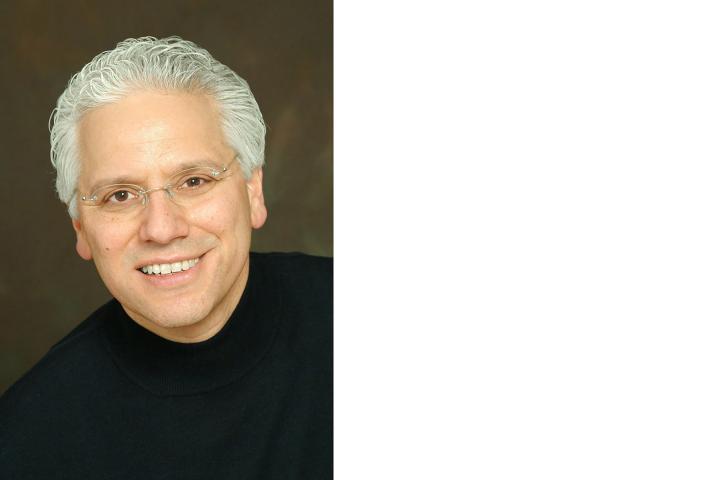
Inductee Richard DiMarchi earned a doctorate in chemistry from Indiana University (IU) in Bloomington in 1979, and he is now a distinguished professor of chemistry and Gill Chair in Biomolecular Sciences at IU. His scientific contributions have been vital to the success of some of the first recombinant DNA (rDNA) derived medicines and have redefined what’s possible in helping people to lead longer, healthier lives.
At Eli Lilly Research Labs in Indianapolis, DiMarchi discovered that human insulin as a drug could be enhanced by inverting the order of two amino acids to yield the active ingredient in Humalog. This is a modified version of native insulin that is used daily by multiple millions of patients with diabetes. DiMarchi also developed the peptide-based osteoporosis drug Forteo® and initiated glucagon-like peptide-1 (GLP-1) research that has led to drugs including Mounjaro® and Zepbound®.
Marion Donovan, Inventor of the Waterproof Diaper Cover
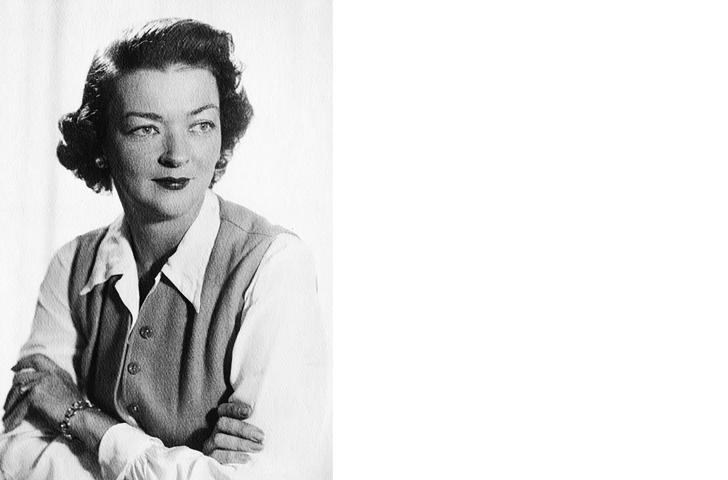
In 1917, Inductee Marion Donovan was born Marion O’Brien in South Bend, Indiana. Her father and uncle, Miles and John O’Brien, had invented the “South Bend lathe,” a tool used to grind automobile gears, and Donovan spent much of her free time in their manufacturing plant, where she learned the basics of machinery and engineering. Her father even helped her produce her very first invention, a tooth powder, when she was a child.
When she became a parent, Donovan was determined to create a practical solution that would prevent cloth diapers from leaking. She constructed an effective yet breathable diaper cover that not only added absorbency but also helped prevent diaper rash. When New York City’s Saks Fifth Avenue began selling her waterproof diaper covers in 1949, they became an instant success. Throughout her life, Donovan continued to develop more inventions designed to improve our everyday lives.
Gebisa Ejeta, Inventor of Sorghum Hybrids
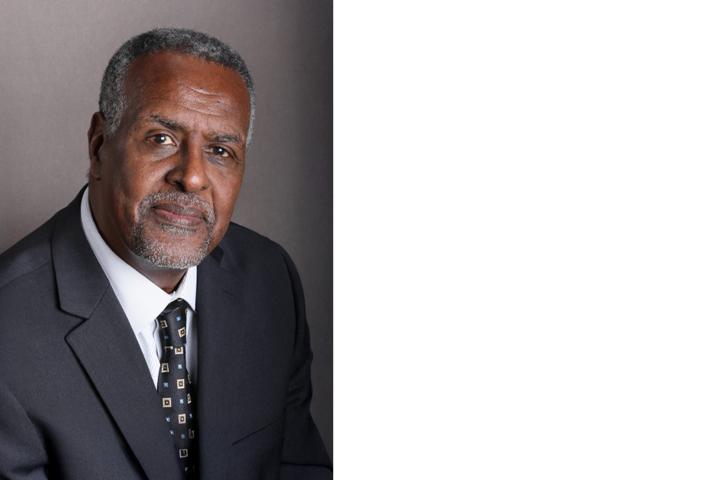
Inductee Gebisa Ejeta earned his master’s degree and doctorate in plant breeding and genetics in the late 1970s at Purdue University in West Lafayette, Indiana. He also was a distinguished professor at Purdue for more than 40 years before his retirement in 2025.
Born in the village of Wollonkomi in Ethiopia, Ejeta experienced food insecurity as he was growing up. His mother ensured he had access to an education, and he became a plant geneticist whose work focused on sorghum. More than half a billion people depend on this versatile, nutrient-packed grain as a staple food crop. By creating high-yielding hybrid varieties of sorghum that are resistant to drought and disease, Ejeta has helped feed millions of people across Africa and around the world.
Alfred H. Free and Helen M. Free, Inventors of Glucose Detection for Diabetes
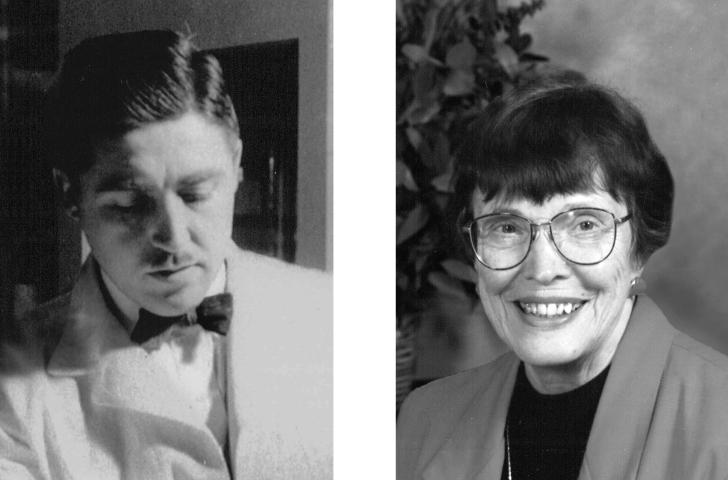
Inductees Alfred Free and Helen Murray Free met while working at Miles Laboratories in Elkhart, Indiana. Helen had begun working as a chemist in quality control, testing the quality of vitamin ingredients, and she later moved to the biochemistry division, which was led by Alfred. The Frees married in 1947.
The Frees were pioneers in diagnostic chemistry. Their lifesaving research in medical and clinical urinary testing led to dip-and-read urine tests including Clinistix®, which aids diabetes monitoring by detecting glucose. Introduced in 1956, Clinistix allowed millions of people to monitor their diabetes in a simple, convenient way. The Frees also were dedicated to science education.
Joseph Muhler and William Nebergall, Inventors of Stannous Fluoride Toothpaste
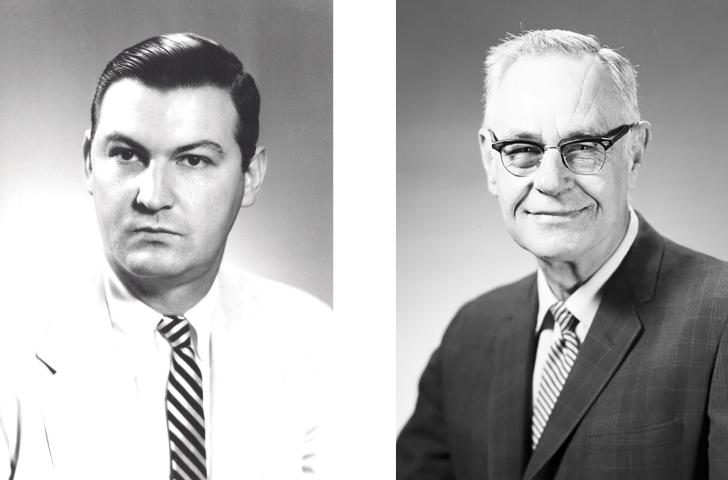
Inductees Joseph Muhler, a dentist and biochemist, and William Nebergall, an inorganic chemist, began collaborating at IU in 1950. At the suggestion of his IU biochemistry professor Harry Day, Muhler, who was then an undergraduate student, had begun investigating a recently published method for measuring the fluoride content of teeth and bones. In 1949, Procter & Gamble Co. began funding Muhler and Day’s research, and one year later, Nebergall joined the project. Focusing on the inorganic chemistry aspects, he produced high-purity stannous fluoride and compatible abrasives.
Their work resulted in a cavity-preventing product using stannous fluoride. In 1956, Crest® toothpaste was introduced nationally, and four years later, it became the first toothpaste to be recognized by the American Dental Association (ADA) as an effective decay-preventing agent. The widespread use of fluoride toothpaste is credited as a significant factor in the nationwide decline in cavities that began in the late 1970s, and today, all toothpastes with the ADA Seal of Acceptance must contain fluoride.
Edmund O. Schweitzer III, Inventor of the Digital Protective Relay
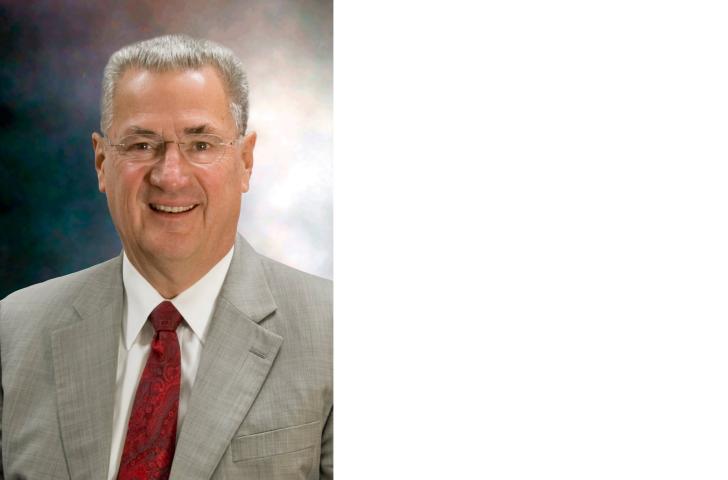
Inductee Ed Schweitzer earned his bachelor’s and master’s degrees in electrical engineering in 1968 and 1971 at Purdue University. He later earned his doctorate from Washington State University in 1977. In 1982, he started his own company, Schweitzer Engineering Laboratories (SEL), with the goal of developing and manufacturing digital protective relays and related products to make electric power safer, more reliable and more affordable.
At the time, utilities relied on relays made of springs, magnets and coils. These relays could not identify where a fault was or create an accurate record of what caused faults. So Schweitzer developed a more precise and reliable digital relay, which was one-eighth the size, one-tenth the weight and one-third the price of previous mechanical relays. SEL’s digital technology streamlined design work in protection and control systems and provided more flexible operation options, along with increased reliability and affordability. In 2020, SEL opened a manufacturing plant in West Lafayette. The site’s proximity to Purdue allows close research collaboration between the university and SEL .Schweitzer holds more than 200 patents worldwide.
Ralph Teetor, Inventor of Cruise Control
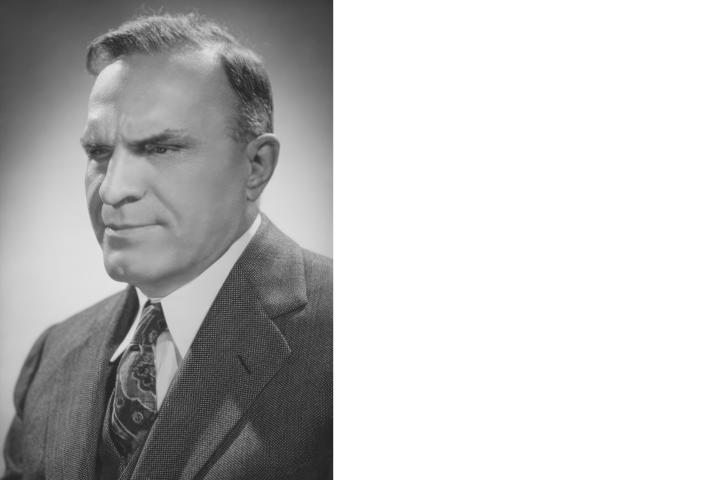
Inductee Ralph Teetor was born in Hagerstown, Indiana, in 1890. During his childhood, an accident caused him to completely lose his sight, but this never deterred him from his interests and ambitions. At his family’s business, Perfect Circle Corp. in Hagerstown, his father and uncles trained him to be a machinist at a young age. He later furthered his skills as a mechanical engineering student at the University of Pennsylvania. When he earned his bachelor’s degree in 1912, he became the first blind engineer on record in the U.S. Teetor was named president of Perfect Circle in 1946, and he later served as chairman until 1963. He also became an influential supporter of automotive education.
Teetor filed for a patent on his speed control device in 1948. A speed selector on the dashboard was connected along the drive shaft to a mechanism in the engine compartment, and by holding the gas pedal steady, the device maintained the driver’s selected speed. Manufactured by Perfect Circle and trademarked as the “Speedostat,” it was first introduced in Chrysler cars in 1958. In 1959, Cadillac offered the speed control device and called it “Cruise Control,” the popular name now recognized throughout the world.
Meet More Inspiring Hall of Fame Inductees
The National Inventors Hall of Fame has honored nearly 700 U.S. patent-holding inventors from across the country and around the world, and a new class of Inductees is added every year! To learn about more of these life-changing creators, innovators and entrepreneurs, keep exploring our website.