Three Inventors Who Have Made Our Flights Safer
Inductee StoriesDate October 16, 2026
Est. Reading Time 3 mins
Every time a flight takes off, we can rely on the work of many different inventors to help keep the passengers and crew safe. Behind every aircraft safety system, you’ll find inspiring stories of creators and innovators who solved problems, advanced technologies and improved the way we travel.
Read on to learn about three inspiring National Inventors Hall of Fame® Inductees who developed technologies that help pilots prevent accidents and navigate safely.
1. C. Donald Bateman
Born in Saskatchewan, Canada, Inductee C. Donald Bateman studied electrical engineering at the University of Saskatchewan and became chief engineer in flight safety avionics at Honeywell. He led a series of vital innovations, including the ground proximity warning system (GPWS), that dramatically improved aircraft safety.
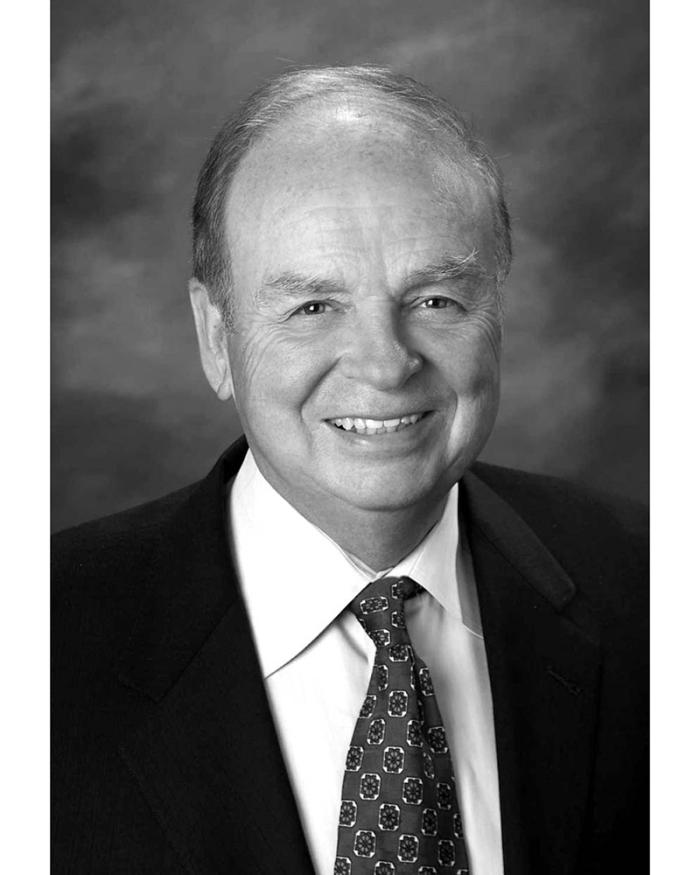
In the 1960s, airline owners were looking for ways to help pilots determine if they were flying too low or approaching a mountain. Bateman met this need with the GPWS, a device that automatically warned pilots before they approached the ground or water. The system worked so well that the Federal Aviation Administration began requiring GPWS in aircraft in 1973.
Continuing to innovate, Bateman and his team of developers created a series of advances that made their warning systems even more effective and reliable. For his many contributions, Bateman was awarded the National Medal of Technology and Innovation in 2010.
2. Leonard Michael Greene
Inductee Leonard Michael Greene was born in New York City and was a graduate of City University of New York. During World War II, he joined Grumman Aircraft Corp. After witnessing an aircraft accident caused by a stall, he realized the pilot could not tell when the angle of airflow over the wing had become excessive, and this motivated him to develop a solution.
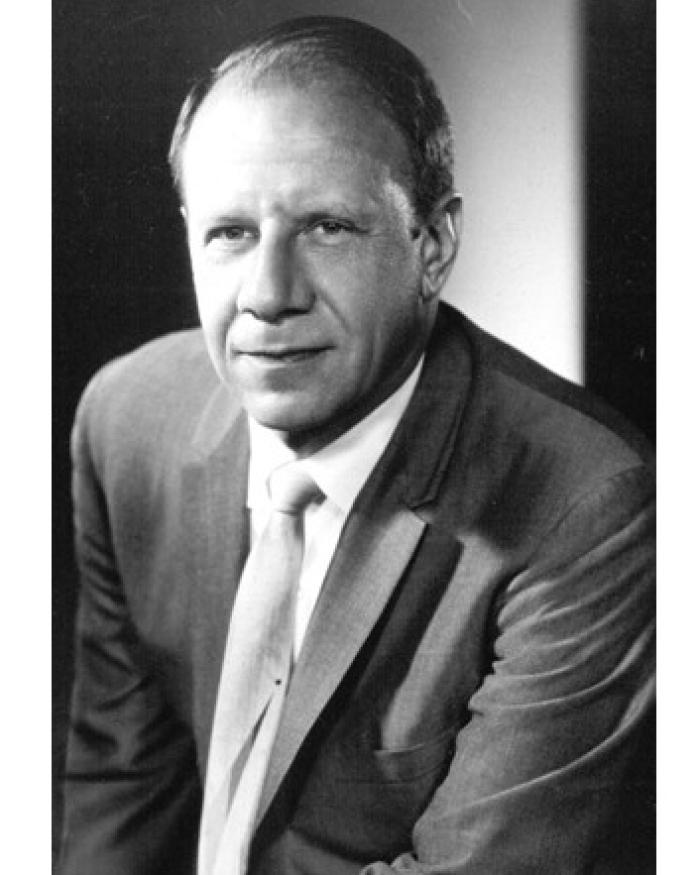
Greene invented a device that warns pilots when a life-threatening aircraft stall was imminent. In 1947, a Saturday Evening Post story said of Greene's invention, "It may be the greatest life saver since invention of the parachute."
In 1946, Greene established Safe Flight Instrument Corp., which supplies unique air safety and performance technology to virtually every major air carrier, the U.S. Armed Forces and aircraft manufacturers worldwide. He earned more than 100 U.S. patents, 60 of which cover aviation technology.
3. Asad Madni
Inductee Asad Madni was born in Mumbai, India, and studied electrical engineering at UCLA. He led the development and commercialization of the MEMS (Micro-Electro-Mechanical Systems) gyroscope for aerospace and automotive safety.
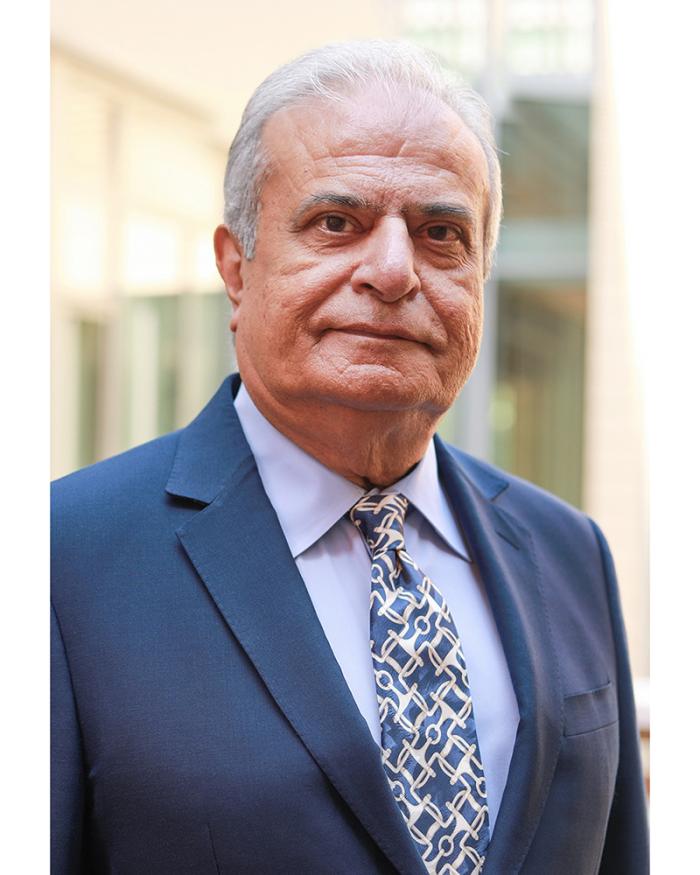
Introduced in the 1990s and commercialized as the GyroChip, this technology can detect and measure the angular motion of an object. First applied in the aerospace and defense industries, the GyroChip is now used worldwide to enable guidance, navigation and control in many types of aircraft and passenger vehicles, saving lives around the world.
Madni has earned many honors for his work, including the 2022 IEEE Medal of Honor. “As a young engineer, I always hoped that my contributions to engineering [...] would have a beneficial impact on society and humanity,” he said in an interview with the National Inventors Hall of Fame. “I'm extremely grateful to have had that dream of mine come true.”
Learn About More World-Changing Hall of Fame Inductees
Nearly 700 patent-holding creators and innovators have been inducted into the National Inventors Hall of Fame so far, and their inventions have improved our lives and shaped our society in many ways. To learn about more of these visionary Inductees, keep exploring our website.