Honoring Inductees We Lost in 2025
Inductee StoriesDate December 22, 2025
Est. Reading Time 4 mins
At the heart of the National Inventors Hall of Fame® mission is our commitment to recognizing world-changing inventors and sharing their stories with the next generation. Since 1973, 656 patented inventors have been inducted. Our Inductees not only are celebrated through the National Inventors Hall of Fame Museum, but they also become involved in unique opportunities for young inventors, including the annual Collegiate Inventors Competition® and our nationwide invention education programs.
As we reach the end of 2025, we invite you to join us in remembering the Hall of Fame Inductees we lost this year. We honor their lives and their legacies, which will continue to inspire more creators, innovators and entrepreneurs for generations to come.
Thomas Fogarty
Cardiovascular surgeon Thomas Fogarty developed many balloon devices used in laparoscopy-assisted surgical procedures. This included the Fogarty® balloon embolectomy catheter, which allowed a thin balloon to be inserted into a patient's artery and guided through an occlusion. It could then be inflated and withdrawn along with the blockage. Fogarty's catheter revolutionized vascular surgery and is still the most widely used technique for blood clot removal.
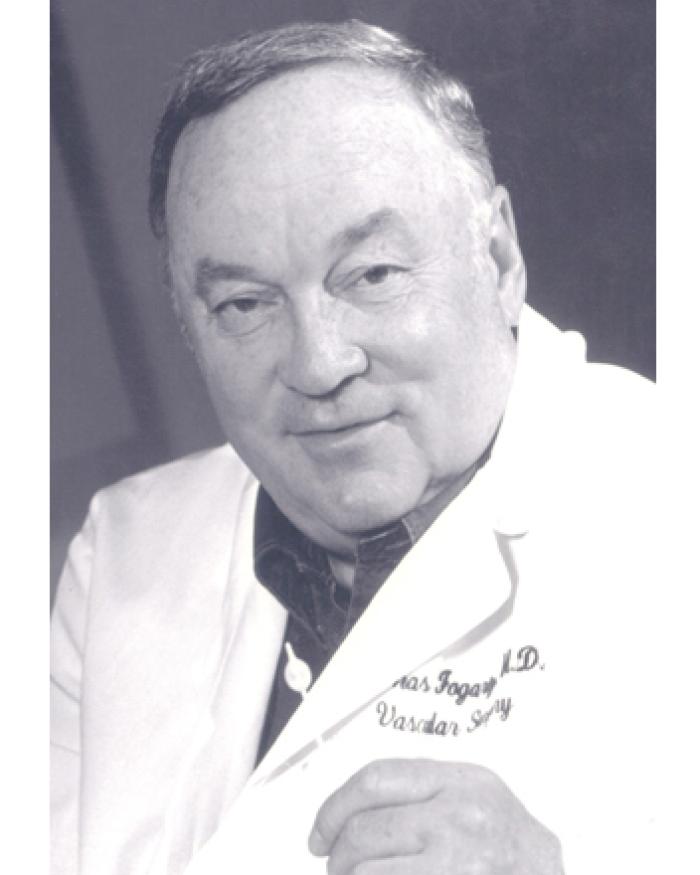
Born in Cincinnati in 1934, Fogarty earned his bachelor’s degree in biology from Xavier University in 1956 and his medical degree from the University of Cincinnati College of Medicine in 1960. He founded Fogarty Engineering Inc. and Fogarty Innovation, as well as the Thomas Fogarty Winery and Vineyards. He received the Lemelson-MIT Prize in 2000, he was inducted into the National Inventors Hall of Fame in 2001, and was awarded the National Medal of Technology and Innovation in 2012.
Robert D. Maurer
Robert Maurer was one of the visionaries behind the invention of optical fiber. In 1970, he and fellow Corning Glass Works researchers Donald Keck and Peter Schultz designed and produced the first optical fiber with optical losses low enough for wide use in telecommunications. Their fiber-optic wire was capable of carrying thousands of times more information than conventional copper wire, paving the way for the commercialization of optical fiber and creating a revolution in telecommunications.
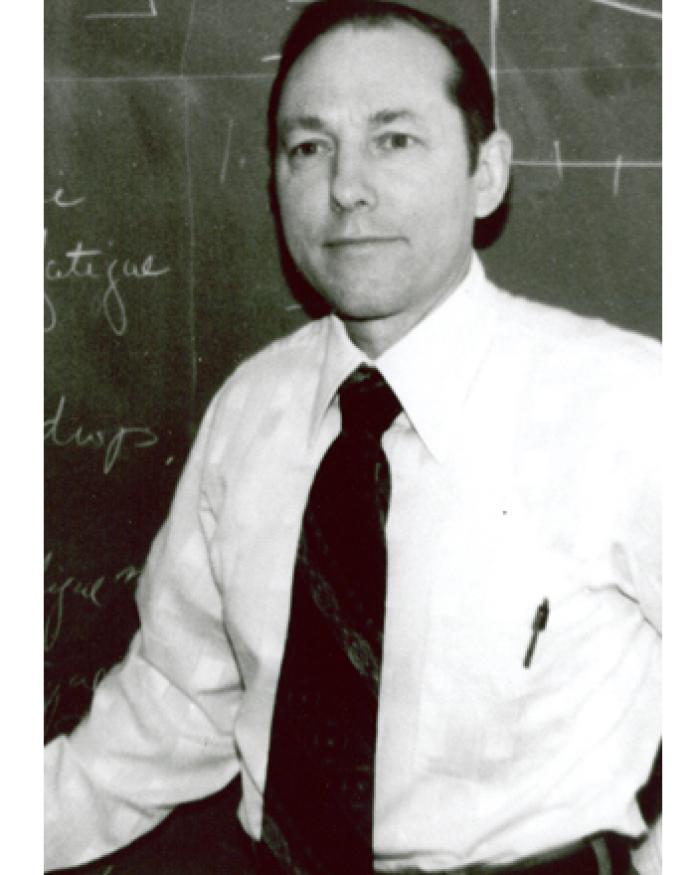
Maurer was born in St. Louis in 1924. A U.S. Army veteran, he earned his bachelor’s degree in physics from the University of Arkansas in 1948 and his doctorate, also in physics, from the Massachusetts Institute of Technology (MIT) in 1951. He joined Corning Glass Works in 1952 and retired in 1989 as a research fellow. Maurer, Keck and Schultz were inducted into the National Inventors Hall of Fame in 1993 and were awarded the National Medal of Technology and Innovation in 2000.
George E. Smith
Physicists George Smith and Willard Boyle invented the charge-coupled device (CCD) while working at Bell Labs in 1969. A silicon-based integrated circuit that converts light energy into an electronic charge, the CCD was key to major advances in digital imaging technology. CCDs have made a significant impact in broadcasting, digital cameras, endoscopy, bar code readers and even astronomical imaging.

Born in White Plains, New York, in 1930, Smith served in the U.S. Navy. Studying physics, he earned his bachelor’s degree at the University of Pennsylvania in 1955 and his doctorate from the University of Chicago in 1959. He joined Bell Labs in 1959 and retired in 1986. Smith and Boyle were inducted into the National Inventors Hall of Fame in 2006, and in 2009, they were awarded the Nobel Prize in Physics.
Ioannis V. Yannas
Ioannis Yannas, a physical chemist and engineer, and John Burke, a physician, invented artificial skin for the treatment of severe burns. In addition to resisting infection and rejection, protecting against dehydration and greatly reducing scarring, this artificial skin encouraged native skin cell growth — a groundbreaking advantage. First marketed as Integra, it received Food and Drug Administration approval in 1996 and continues to be widely used today. It has saved thousands of lives around the world.
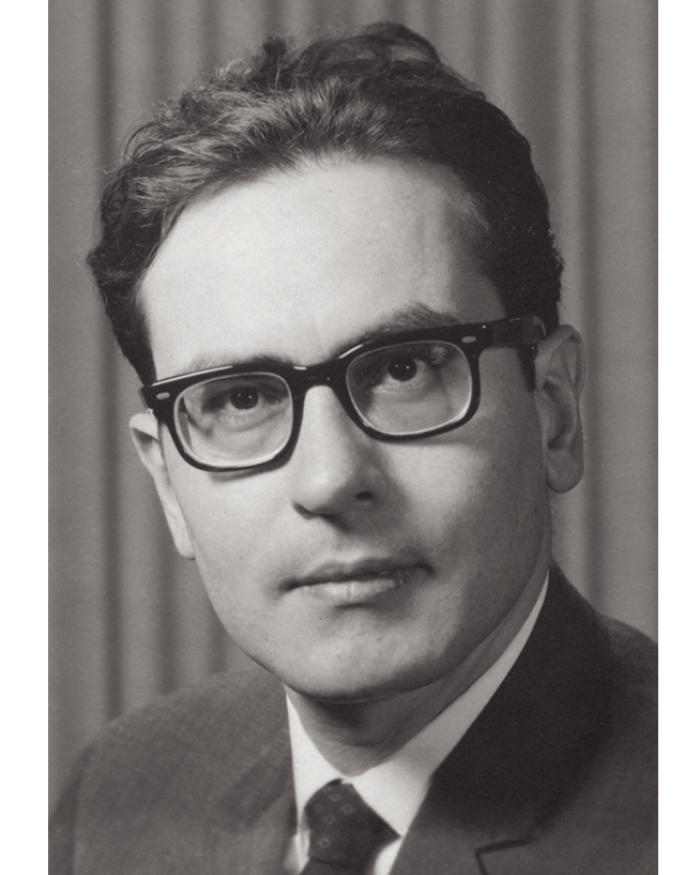
Yannas was born in Athens, Greece, in 1935. He earned a bachelor’s degree in chemistry at Harvard College in 1957 and a master’s degree in chemical engineering from MIT in 1959. He later attended Princeton University, where he earned a master’s degree in 1965 and a doctorate in 1966, both in physical chemistry. Yannas joined the MIT faculty in 1966, and he remained there for 59 years. Yannas and Burke were inducted into the National Inventors Hall of Fame in 2015.
Learn More About Our Inductees
To discover more National Inventors Hall of Fame Inductees whose work has shaped our world and enhanced our lives, keep exploring our website.