What Makes Fireflies Glow?
Everyday STEM Trends in STEMDate June 16, 2026
Est. Reading Time 2 mins
On a warm summer night, if your family is lucky, you might be graced by a light show from a group of dancing fireflies. Taking in the natural beauty, curious minds may wonder, “What makes a firefly glow?” The magic can be understood with science and chemistry! Keep reading to uncover not only how these spectacular beetles are able to light up the night, but also why they do so.
Bioluminescence
Fireflies, or lightning bugs as they are sometimes called, do not have light bulbs in their abdomen or batteries that need to charge after a long night of flickering their light. The reason for their glow is totally natural, and it’s called bioluminescence. Because of chemical reactions occurring within special organs of the firefly’s abdomen, they can produce their own light. The part of their body where light is visible is even called a lantern!
Did you know that the glow of a firefly is special? That’s because while a firefly has a yellow glow, most bioluminescent organisms have a blue-green glow. Regardless of color or creature, bioluminescence is an impressive sight. Help your child research other examples of bioluminescence in nature – from jellyfish to fungi, there’s so much more to explore!
Light Conversation
Have you ever heard a firefly whisper? Probably not. That’s because they communicate with light instead of words. Different species of fireflies have their own unique pattern of flashing light. These light displays help them to identify other fireflies of the same species and distinguish between male and female fireflies. When fireflies are in their larvae state, glowing may even remind predators that they do not make for a tasty snack.
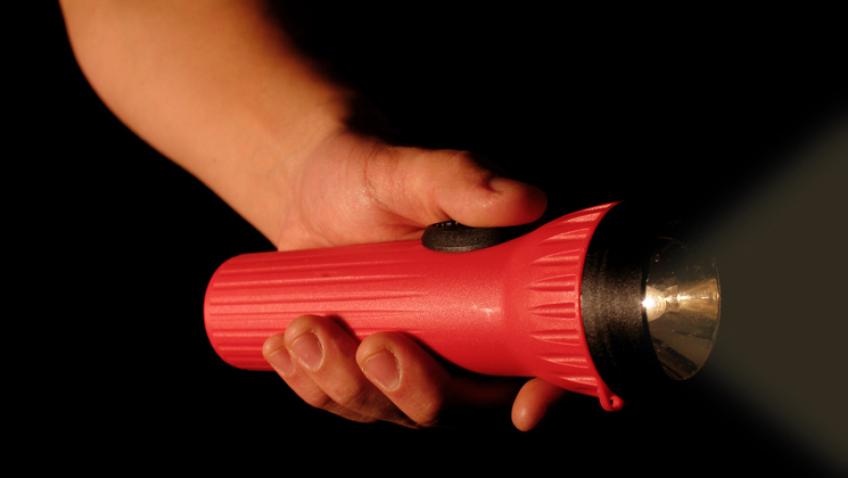
Try talking like a firefly! Work with your child to come up with a creative light language of your own. Then, once it’s dark, stand on opposite sides of a yard or driveway and use flashlights to send secret messages to each other. For inspiration, you may want to introduce your child to Morse code, invented by Hall of Famer Samuel F.B. Morse. How might you communicate with a series of dots and dashes via light?
Keep Exploring
Encourage your child to remain curious about the wonderful world around them, and keep an eye on our blog to unlock more examples of real-life STEM to share.