3 Tips to Inspire Positive Thinking
Trends in STEMDate September 4, 2026
Est. Reading Time 2 mins
What if children learned that their mindset was their greatest superpower? Thinking positively is more than a strategy for seeing the glass half-full – it creates thinking habits that can transform lifelong confidence and problem-solving abilities. As we approach Positive Thinking Day on Sept. 13, you can help kids open their mind to new possibilities!
As young learners explore new topics and build new skills, each and every experience is a reminder of why mindset matters. Read on to find tips and strategies for empowering children to develop everyday habits for positive thinking.
1. Practice Reframing
Are you familiar with the philosophy, “When you change your thoughts, you change your world”? Teaching children how to reframe negative feelings is an invaluable skill that can help them remember their potential and develop persistence. Shifting their perspective might sound like a moment of “I can’t” reframed by remembering, “I’m still learning.”
The power of “yet” is a great strategy for kids to incorporate during setbacks. The practice of adding “yet” can reframe a failure into a temporary challenge, offering a tool for reconceptualizing potential and adopting future-oriented thinking. For example, instead of “My idea doesn’t work,” adding “yet” to this phrase opens the door to new possibilities.
2. Celebrate Small Wins
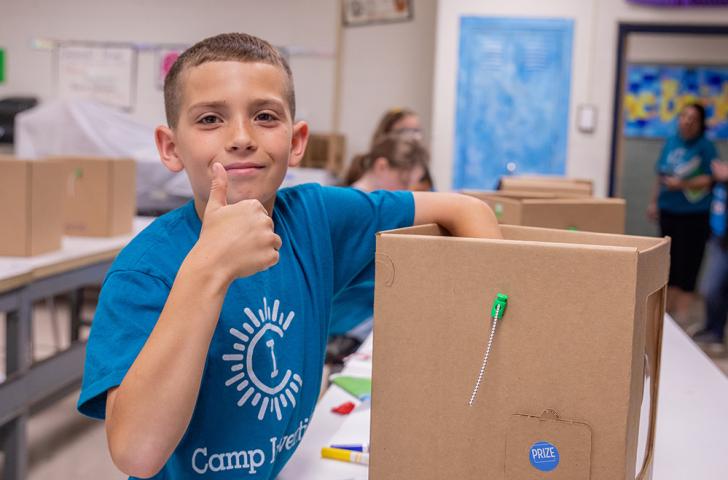
Make every step count! When young learners break their goals into bite-sized steps, they will have more opportunities to pause, take pride in their progress and spark motivation to reach the finish line. This way, celebrating small wins equals creating moments of big confidence.
3. Develop a Growth Mindset
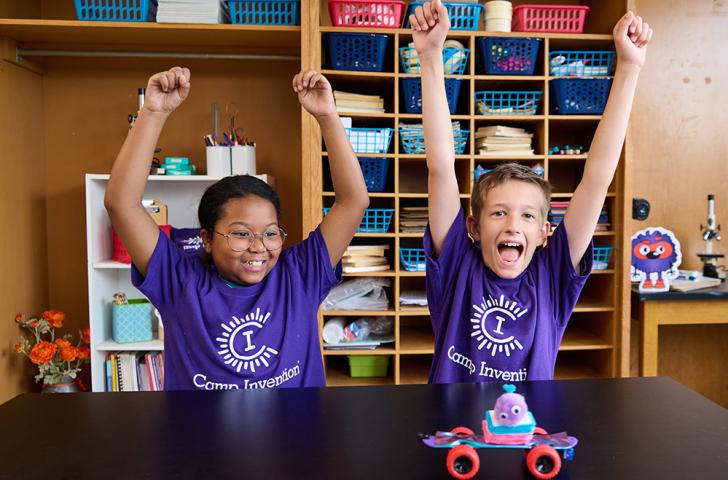
Guiding children to develop a growth mindset means teaching them to value effort as much as outcome. In contrast to a fixed mindset, a growth mindset encompasses positive thinking that focuses on making strides toward improvement with every step. With the belief that every experience is an opportunity to learn and further develop skills, a growth mindset improves confidence and builds resilience.
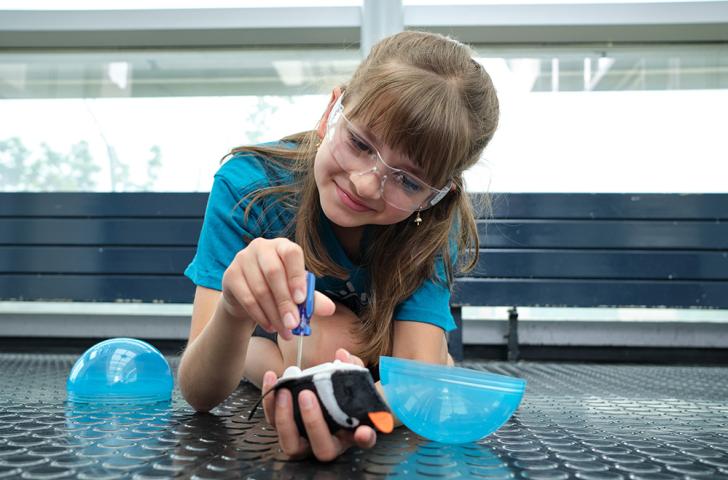
For any inventor or creator, the process behind any achievement is iterative. From tackling a tricky math problem to trying out a new idea, introducing learning as a continuous journey can help children grow an appreciation for every stage.
Find More Ways to Grow
Like any superpower, thinking positively gets stronger with practice. Looking for more ways to inspire problem solvers, explorers and big thinkers? Continue exploring our blog for the latest trends in STEM to spark a lifelong love for learning!